How to Know It’s Time for Roof Replacement in Succasunna, NJ
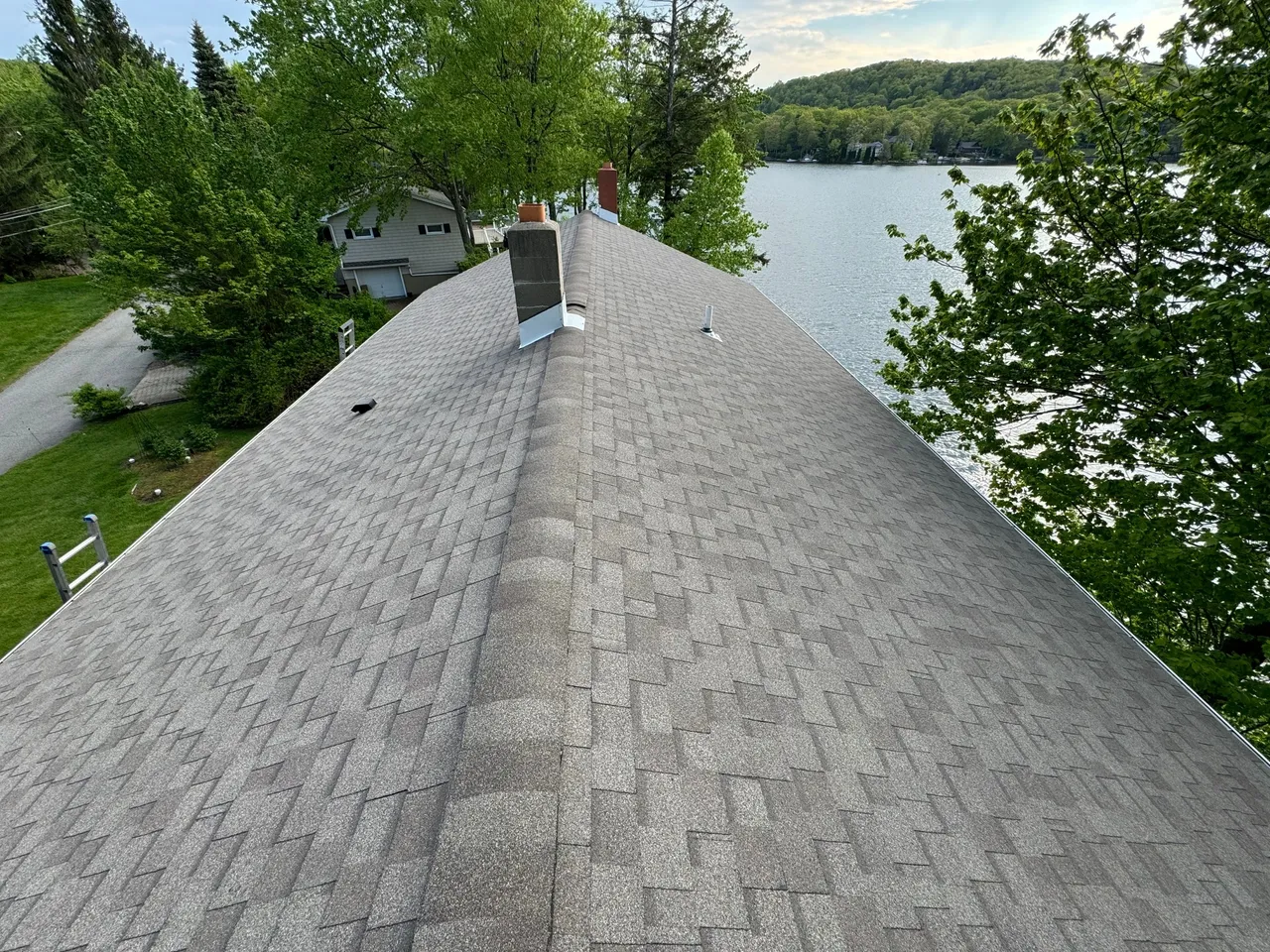
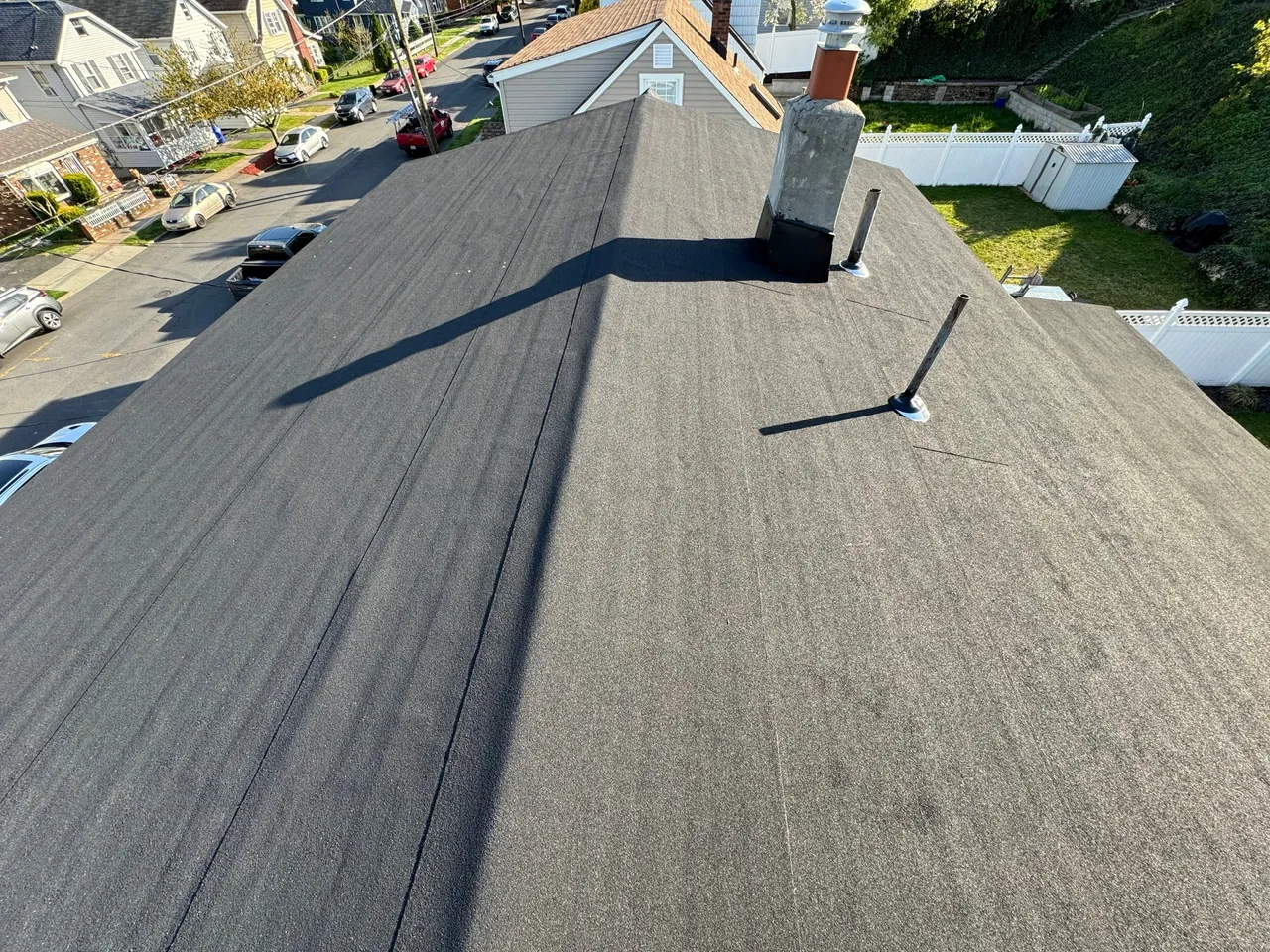
A roof usually does its job quietly. It keeps water out, stands up to wind, sheds snow, and takes the brunt of summer heat without asking for much attention. That is exactly why many homeowners wait too long to deal with roof problems. By the time the issue feels urgent, the damage often extends beyond shingles and flashing. It reaches the sheathing, the insulation, the attic air balance, and sometimes the framing itself.
In Succasunna, NJ, that delay can get expensive fast. Morris County roofs deal with a real mix of weather. Winter snow loads, freeze and thaw cycles, spring rain, humid summers, and windy storms all wear materials down in different ways. A roof that looked acceptable from the driveway in October can show very different behavior by February. Knowing when repair is enough and when replacement makes more sense is not just a matter of age. It comes down to pattern, condition, performance, and risk.
Homeowners often ask the same basic question in different words: how do I know whether I need a few repairs or a full new roof? The answer is rarely found in a single missing shingle. It is usually in the story the roof is telling when you look at the whole system.
Age matters, but it is not the whole story
Most asphalt shingle roofs in New Jersey fall somewhere in the 20 to 30 year range, depending on the product, installation quality, attic ventilation, sun exposure, and storm history. That does not mean every 20 year old roof needs replacement, or that every 30 year old roof can keep going safely. I have seen 15 year old roofs fail early because of poor ventilation and sloppy flashing. I have also seen older roofs survive longer than expected because they were installed carefully and maintained well.
Still, age is the first thing to check because it gives context to everything else. If your roof is approaching the end of its expected service life and you are starting to notice recurring issues, replacement deserves serious consideration. At that stage, repairs can start to become a series of temporary patches on a system that is simply wearing out.
A common example in Succasunna is the home where the roof has made it through many winters, but now develops small leaks after heavy snow or wind driven rain. The owner repairs one area near a chimney, then another near a valley, then another section along an eave. Each repair may be valid on its own. The pattern is what matters. When multiple vulnerable points begin appearing close together, the roof is often telling you it has lost its margin for error.
The visible warning signs homeowners should not ignore
Some roof problems are easy to spot from the ground. Others show up inside the house first. Either way, the visible clues tend to arrive before outright failure.
Curling or cupping shingles are a classic sign of aging. When the edges lift or the middle bows, the shingles are no longer lying flat enough to shed water the way they should. Cracking is another red flag, especially on surfaces that get strong sun exposure. Missing shingles after storms are more obvious, but they are also worth reading in context. If a newer roof loses a few shingles in a major wind event, a targeted repair may be enough. If an older roof keeps shedding pieces in ordinary weather, the bond and flexibility of the shingles are likely declining across the field.
Granule loss is easy to underestimate. Those coarse granules on asphalt shingles protect the material from ultraviolet exposure and help it age properly. When you start finding large amounts of granules in gutters or at downspout discharge points, the shingle surface is wearing away. A few loose granules are normal, especially on newer roofs. Heavy shedding on an older roof is different. It often means the shingles are becoming brittle and vulnerable.
Inside the house, stains on ceilings or walls deserve quick attention even if they appear minor. Water does not always enter directly above the stain you see. It can travel along framing or decking before it becomes visible indoors. If the same leak returns after repair attempts, or new stains appear in different rooms over time, you may be dealing with a roof that has reached the point where localized fixes no longer solve the larger problem.
Sagging is one of the more serious signs. A roofline should look straight and even. Any dip, wave, or depressed area can point to moisture damage in the decking or structural issues below. That does not automatically mean the entire roof system has failed, but it does mean the situation needs a professional evaluation without delay.
Succasunna weather makes certain roof issues more likely
Local climate shapes roof wear in ways many homeowners do not notice until trouble starts. In Succasunna, snow and ice play a bigger role than they do in milder regions. Ice dams can form when heat escapes from the attic, melts snow on the upper roof, and allows water to refreeze near the colder eaves. Once that ridge of Roof Replacement Succasunna, NJ ice forms, meltwater can back up under shingles and leak into the home.
This is one reason roof replacement discussions should never focus only on surface materials. If a house has chronic ice dam issues, replacing shingles without addressing ventilation, air sealing, and insulation may leave the owner with a cleaner looking roof but the same winter headaches. A good replacement plan looks at the roof as a system.
Summer brings its own stresses. Heat bakes shingles, especially on darker roofs with long direct sun exposure. Humidity can worsen attic moisture issues if ventilation is inadequate. Then come thunderstorms, which can loosen flashing, lift shingles, and push water into weak spots that stayed hidden during milder weather.
Trees add another local factor. Many neighborhoods around Succasunna have mature trees, which can be beautiful and valuable for shade, but hard on roofs. Overhanging branches scrape shingles, drop debris into valleys, trap moisture, and increase the chance of storm impact damage. Moss and algae growth are also more common where shade keeps the roof damp for long stretches. Not every moss problem means replacement is needed, but widespread growth often points to aging surfaces and persistent moisture retention.
When repairs still make sense
Not every roof problem means you need a full tear off. In fact, a thoughtful contractor should be willing to tell you when replacement is premature. If the roof is relatively young, the decking is sound, and the issue is isolated to one section, repair can be the practical choice.
Here are situations where repair often makes sense:
- A limited area was damaged by a recent storm.
- Flashing around a chimney, vent, or skylight has failed while the surrounding roof remains in good shape.
- A small number of shingles are missing or broken on an otherwise healthy roof.
- The leak source is clearly identified and confined.
- The roof still has substantial service life left based on age and condition.
The key word is isolated. A repair should solve a specific problem with a reasonable expectation of durability. If the same contractor is coming back every year for a new leak in a new place, that is no longer a repair strategy. It is deferred replacement.
When replacement is the smarter financial decision
Homeowners sometimes resist replacement because the upfront number is bigger. That is understandable. But cost should be measured over several years, not one invoice. A roof that needs frequent repairs, allows hidden moisture damage, or raises the risk of interior loss can cost more than a timely replacement.
One situation that often tips the scale is widespread shingle deterioration combined with leak history. Another is when replacement can be coordinated before major related work, such as siding, gutters, solar installation, or attic insulation upgrades. Doing the roof first can prevent rework and protect the investment in the other improvements.
Insurance and real estate timing also matter. If you are planning to sell within the next few years, an aging roof can complicate inspections and buyer confidence. A visibly worn roof signals deferred maintenance, even if the rest of the home is well kept. On the other hand, if you are staying long term, replacing at the right time gives you control over the schedule and contractor selection, rather than forcing a rushed decision after a failure.
For many households searching for Roof Replacement Succasunna, NJ, the real question is not whether the old roof can be stretched one more season. It is whether stretching it creates more risk than value.
What a professional inspection should actually cover
A proper roof evaluation is more than a quick glance from the lawn. It should include the visible roof covering, penetrations, flashing points, gutter condition, roofline profile, attic signs of moisture, ventilation clues, and any evidence of underlying deck issues. If the contractor only talks about shingles and never mentions intake and exhaust ventilation, that is a narrow read on a bigger system.
The best inspections also connect symptoms to causes. For example, if you have nail pops, brittle ridge cap shingles, and dark sheathing in the attic, those issues may tie back to heat and moisture imbalance rather than simple age alone. If your valleys are wearing faster than the rest of the roof, that may be normal concentration of water flow, or it may point to design details that need adjustment during replacement.
A strong contractor will also explain where uncertainty remains. Some conditions cannot be fully confirmed until tear off begins. That is especially true with decking damage hidden under old shingles. Honest communication matters here. You want a roofer who can describe likely scenarios and how they handle them, not someone who promises there will be no surprises on an older roof.
The attic often tells the truth first
Many roofing conversations stay focused on what can be seen outside, but the attic often reveals the more important story. If you go up there on a dry day with a flashlight, you may notice dark staining on the underside of decking, mold growth, damp insulation, or even daylight around penetrations. Each sign points to a different kind of problem.
A musty attic does not always mean an active roof leak. It can reflect poor ventilation or interior moisture escaping upward. But over time, those moisture issues reduce roof life and can rot wood components. That is why roof replacement should be paired with a look at airflow. Ridge vents, soffit vents, baffles, insulation levels, and air sealing all affect how hard the roof has to work.
I have seen homes where the owners blamed the shingles for repeated winter leaks, only to learn the bigger problem was warm attic air driving ice dam formation. A new roof helped, but only after the ventilation and insulation details were corrected. Without that, the replacement would have aged prematurely just like the last one.
Choosing timing instead of waiting for failure
Emergency replacements are almost always harder on homeowners. There is more stress, less time to compare options, and a greater chance of interior damage while decisions are being made. Planned replacement gives you room to think clearly about materials, warranty terms, ventilation improvements, and scheduling around weather.
In northern New Jersey, spring through fall is the most common window for roofing work, but that does not mean you should wait until visible leaks become severe. If your roof is showing multiple signs of age at the end of winter, use spring to get inspections and make a plan. If you wait until summer storms expose a major failure, you may end up competing for contractor availability at the busiest point of the season.
Timing also affects budgeting. A roof that is near end of life but not yet failing gives you time to compare financing options, decide whether to replace gutters at the same time, and think through upgrades like better underlayment or improved ventilation components. Those decisions are usually better when made calmly rather than under a tarp during a rainy week.
Questions worth asking before you commit
A roofing proposal should make sense to a homeowner who is not in the trade. If it feels vague, ask for clarity. You are not just buying shingles. You are buying labor quality, weather protection details, and the contractor’s judgment.
A few useful questions can quickly separate a careful professional from someone who only wants to close the sale:
- What specific conditions make you recommend replacement instead of repair?
- Will you inspect the attic or discuss ventilation as part of the estimate?
- How do you handle damaged decking if it is found during tear off?
- What type of underlayment, flashing, and ice protection will be installed?
- Can you explain the warranty in plain language, including what is and is not covered?
The answers should be direct and practical. If a contractor leans too heavily on sales language but cannot explain basic installation details, keep looking.
Material choice matters, but installation matters more
Most homes in Succasunna use asphalt shingles, and for good reason. They are cost effective, widely available, and suited to the region when installed correctly. Architectural shingles are a common upgrade from older three tab products because they usually offer better wind performance and longer expected life. But even the best shingle cannot compensate for poor flashing, bad nailing patterns, weak ventilation, or shortcuts at valleys and penetrations.
That is where homeowners can get tripped up. They compare product brochures when they should also be comparing workmanship standards. Details such as starter strips, drip edge placement, vent integration, pipe boot quality, and chimney flashing method make a real difference over the next decade or two. A roof fails at its details more often than at the center of an open shingle field.
If your home has skylights, dormers, multiple valleys, or older chimneys, replacement quality matters even more. Those features are manageable, but they increase the number of transition points where water control must be done carefully.
The signs add up before the roof gives out
Most roofs do not fail all at once. They decline in pieces. A stain here, granules there, a repair after one storm, another after the next winter, a few lifted shingles, then a musty attic. Homeowners often normalize those signs because each one seems manageable on its own. Put together, they tell a clearer story.
If your roof is aging, leaking repeatedly, visibly worn, or struggling through Succasunna’s seasonal swings, it may be time to stop thinking in terms of one more patch. A well timed replacement protects more than the top layer of the house. It protects the structure, the insulation, the finishes, and the budget that would otherwise be consumed by recurring fixes.
For anyone weighing Roof Replacement Succasunna, NJ, the smartest Roof Replacement Succasunna, NJ next step is a thorough inspection from a contractor who can explain not just what is wrong, but why it is happening and whether repair still has a real return. That level of judgment is what turns roofing from a reactive expense into a planned improvement, and that is usually the difference between replacing too early and replacing exactly when you should.
Royalty Exteriors
151 NJ-10 Suite 103A, Succasunna, NJ 07876, United States
+1 973-333-7234
FAQ About Roof Replacement Succasunna, NJ
What are signs a roof needs replacing?
Widespread shingle deterioration, repeated leaks, or damaged decking can point to a larger problem. A roofer can inspect the roof covering, flashing, and deck to determine whether the damage is localized or whether replacement makes more sense.
How long does it take to reroof a 2000 square foot house?
Royalty Exteriors estimates one to three days for many single-family roof replacements. A house’s floor area does not tell you the actual roof area. Pitch, roof features, weather, and any decking repairs can change the schedule.
How long should a roof last in NJ?
There is no single lifespan for every roof. Material, installation quality, attic ventilation, maintenance, and exposure to storms all affect how long a roof remains serviceable. An inspection can help you assess its condition and plan for replacement.