Roof Repairs for Gutters and Drainage Problems
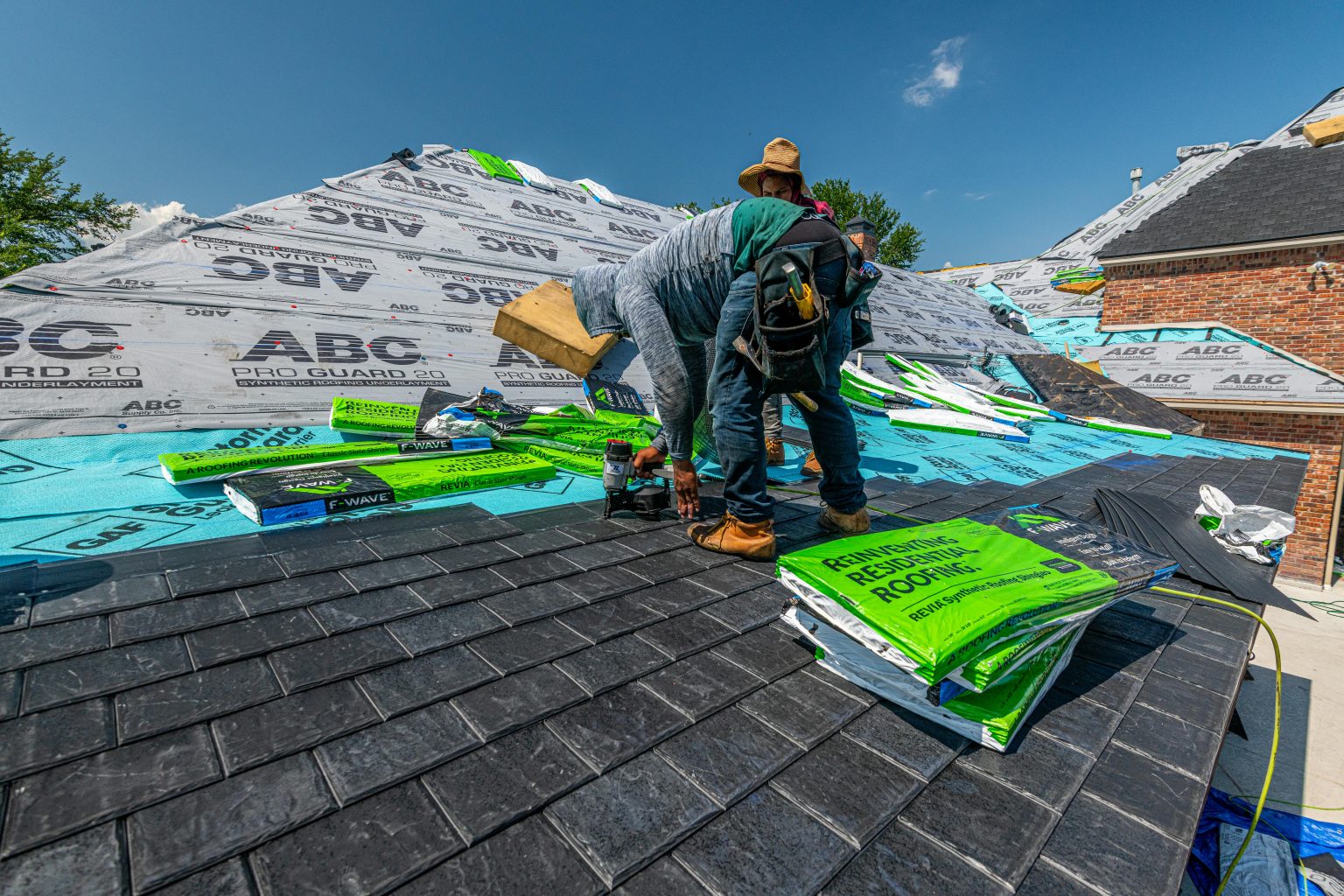
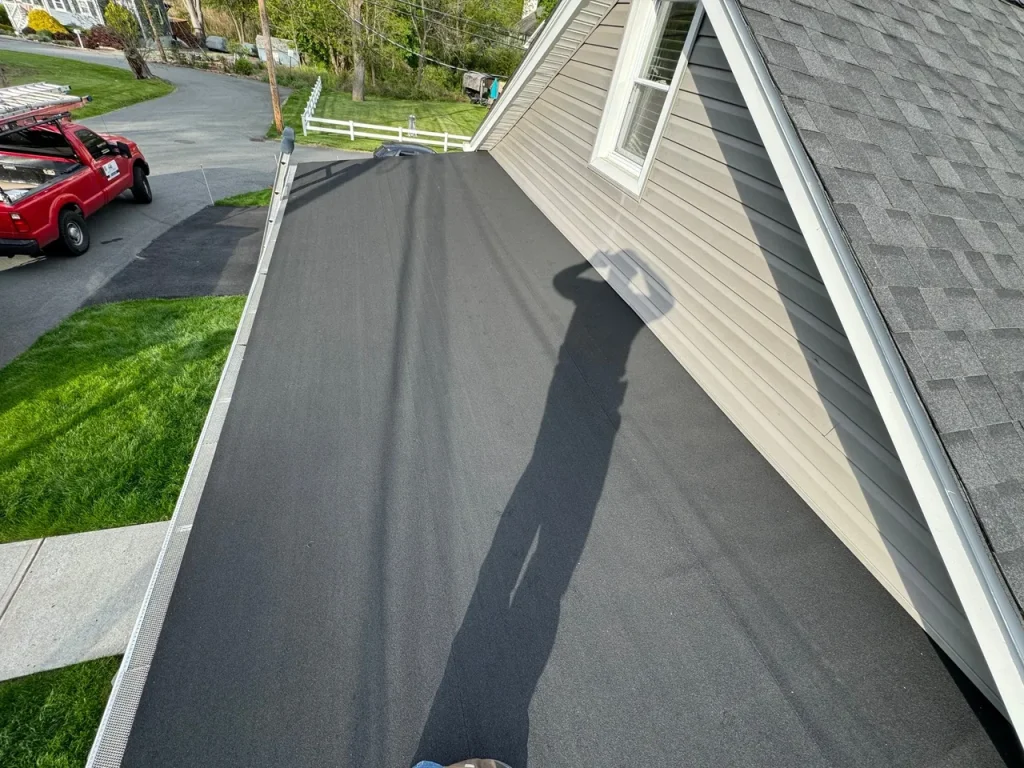
Water rarely announces itself when a roof system starts to fail. It leaves hints instead. A dark line under the eaves after a storm. Overflow pouring over one corner gutter while the rest of the system looks calm. Damp fascia boards. Granules collecting at the downspout outlet. A patch of peeling paint near the soffit that seems cosmetic until you press a thumb into the timber and feel it give.
Most drainage problems begin at the edges of a roof, but they do not stay there. Gutters, downpipes, valleys, flashings, and roof coverings all work as one system. If one part loses capacity or alignment, another part takes the punishment. That is why effective roof repairs are rarely about replacing a single broken component and walking away. The better approach is to trace the path of water, understand where it slows, spills, or backs up, and repair the roof and drainage details together.
Property owners often call for gutter work when what they actually have is a roof drainage problem. That difference matters. A leaking joint in a gutter is one thing. A roof slope feeding too much water into a short run of undersized gutter is another. The first might need resealing. The second may need redesign, added outlets, or changes higher up on the roof. Experience teaches this quickly. The same section can be repaired three times for the same symptom if nobody addresses the cause.
Where gutter problems really start
Gutters take the blame because they are visible. The actual trigger may be less obvious. On pitched roofs, a common issue is concentrated water flow from valleys. During heavy rain, a roof valley can deliver far more water into one small section of gutter than the rest of the run sees. If the outlet is too far away, or if debris has narrowed the channel even slightly, that section spills over. Homeowners naturally focus on the overflowing edge. The roof repair may actually belong at the valley flashing, the apron, or the outlet arrangement.
On low-slope roofs, the problem often begins with standing water, blocked internal drains, or poor fall toward scuppers and edge gutters. Water that lingers on a membrane roof does not just increase leak risk. It also adds weight, exposes laps and seams to longer wetting cycles, and accelerates debris buildup. Once leaves and grit accumulate, flow slows further. It becomes a feedback loop.
Even a well-built gutter system can underperform when the roof surface above it sheds water badly. Worn shingles, slipped tiles, damaged underlayment, or corroded metal panels can alter runoff patterns. Instead of clean sheet flow into the gutter, water may drip behind it, shoot over the front lip, or track sideways into fascia and soffit cavities. That is why any serious drainage inspection should start on the roof plane, not only at the gutter line.
The signs that point to roof repair, not just gutter cleaning
Overflow after a storm does not always mean the gutter is clogged. It may, but seasoned contractors look for the full pattern. If one section overflows only in intense rain, the gutter may be too small or the downpipe spacing may be inadequate. If water stains appear behind the gutter, the issue might be failed drip edge detailing or a gap between the roof edge and the gutter back. If fascia rot is concentrated near joints, a slow leak at seams or brackets may be the culprit.
Inside the building, the clues can be misleading. A ceiling stain near an exterior wall often gets blamed on a roof leak through the field of the roof. In practice, I have seen many of those traced to ice backup at the gutter edge, overflow entering the soffit, or rainwater running behind the fascia. The repair then involves restoring drainage and edge protection, not simply patching shingles higher up.
Timing matters too. Problems that appear only in winter often point to snowmelt and refreezing at the eaves. Problems that show up only after summer storms may be related to downpour intensity, leaf buildup, or thermal movement opening small joints. A drainage system that is barely adequate in moderate weather can fail suddenly when rainfall becomes concentrated.
Why small alignment issues become expensive
Gutters do not need dramatic sagging to fail. A difference of a few millimeters in fall can be enough to create ponding near a joint or bracket. Once water sits where it should not, sealants stay wet longer, metal corrodes faster, and organic debris sticks. One repair call I remember involved a relatively new aluminum gutter that leaked from three joints in less than four years. The joints had been resealed twice. The real problem was simple: a run with almost no fall over a long span, combined with one bracket pulling the back edge slightly away from the fascia. Water pooled, debris collected, and each joint was forced to act like a mini dam.
The same principle applies to roof edges. A lifted shingle course, a bent drip edge, or a small depression in a metal roof panel may seem minor from the ground. During a storm, those details can change the speed and angle of runoff enough to overwhelm the gutter below. Water is patient, but it is not forgiving. Give it a weak spot and it will use it every time.
Materials matter more than many owners realize
Different roofing and gutter materials fail in different ways, and good roof repairs account for that. Steel gutters resist impact well but can rust at scratches, laps, and fastener penetrations if coatings break down. Aluminum resists rust but can deform more easily and relies heavily on correct support spacing. Vinyl is inexpensive and easy to install, but it becomes brittle with age and temperature swings. Copper lasts a long time when detailed properly, though repair work must respect expansion, soldered joints, and runoff staining.
The roof covering above also changes the drainage behavior. Slate and tile shed water differently from asphalt shingles. Standing seam metal can move large volumes quickly, sometimes too quickly for a shallow gutter if there is no snow or rain control at the eave. Flat membrane systems depend heavily on internal drainage capacity and clean strainers. There is no universal repair method because the water behaves differently on each surface.
That becomes especially important around transitions. Where a tiled porch roof feeds into a metal valley over a lower gutter, for example, one weak detail can affect three materials at once. Patch the visible leak without accounting for the transition, and the symptom comes back.
Common drainage failures that call for proper roof repairs
Some problems appear so often that they are worth recognizing early. These are the failures that tend to be repaired best when the roof and gutter are treated as one assembly:
- Overflow at valleys and roof intersections during heavy rain
- Water running behind the gutter due to missing or poorly lapped drip edge
- Sagging gutter runs that hold water and stress joints
- Downpipes that cannot handle the roof area feeding them
- Rot at fascia and soffits caused by chronic seepage or splashback
Each of these can look minor at first glance. Each can also spread damage into timber framing, insulation, interior finishes, and masonry below.
Overflow at valleys is often a design issue
A valley concentrates runoff, especially on steep roofs or on roof sections with a large catchment area. If that water lands near the end of a gutter run without a nearby outlet, the gutter effectively has to store a short burst of heavy flow while pushing it sideways to the downpipe. That is a losing battle in a cloudburst.
The right repair may involve widening the receiving gutter, installing a larger outlet, adding a second downpipe, or fitting a rain diverter to calm the flow. Sometimes the valley flashing itself is too short or poorly shaped, causing water to overshoot. I have also seen roofers terminate valley metal too high above the gutter line, which lets runoff jump in strong rain. The visible symptom was gutter overflow. The meaningful repair was a corrected valley discharge and improved collection below.
This is where judgment matters. Homeowners often ask whether a simple gutter guard will solve the problem. Sometimes it helps by keeping debris out of a critical section. Just as often, it reduces the open intake area enough to make heavy flow worse. Guards are not a cure for undersized drainage.
Water behind the gutter is a different class of problem
When water gets behind the gutter, it tends to damage hidden elements first. Fascia boards absorb moisture. Rafter tails soften. Paint blisters. In cold climates, repeated wetting and freezing can split wood fibers and loosen fixings. The source is usually one of three things: missing drip edge, drip edge installed behind rather than into the gutter, or an excessive gap created by poor bracket placement or timber movement.
Roof repairs here need care because the visible timber damage can distract from the real path of entry. Replacing a rotted fascia without correcting the roof edge detail simply gives the problem fresh wood to attack. A proper fix may include lifting the first course of roofing, installing new edge metal, checking underlayment termination, then resetting or replacing the gutter so water drops cleanly into it.
Downpipes are often undersized for modern rainfall
Rainfall intensity is not what many older gutter systems were built around. A house constructed decades ago may have adequate roof area distribution for typical showers, yet struggle badly in the kind of short, intense downpours that are now more common in many regions. When one downpipe serves too much roof area, the system may appear to work until a severe storm hits. Then the gutter fills, the outlets choke, and water spills over the front edge or back into the eaves.
This is one reason repairs should not be based only on whether a component is technically broken. A system can be intact and still be underperforming. Increasing outlet size, adding another downpipe, or regrading a gutter run can transform performance without changing the roof covering itself. Those are still roof repairs Roof Repairs in the practical sense because they restore the roof’s ability to manage water safely.
Fascia rot is not only a carpentry problem
Once timber rot is visible, there is usually more going on than a bad board. Wet fascia often means long-term leakage at brackets, seams, end caps, or roof edges. If that moisture reaches soffit voids, pests may follow. I have opened eaves where what looked like a minor paint failure from below turned out to be decayed timber around fixings over a two-meter stretch.
Repairing that kind of damage requires sequencing. Remove the source of water first. Strip out decayed wood next. Check the ends of rafters and any concealed framing. Only then rebuild the fascia and reset the gutter. If repairs are done in the opposite order, the finished work may look good for six months and then stain again.
Inspection should follow the path of water
The most useful inspections are not broad, they are methodical. You start where water lands on the roof, follow where it concentrates, check where it exits, and then confirm where it finally discharges at ground level. Missing one stage can produce a repair that is technically neat but functionally incomplete.
A sound inspection usually covers these points:
- Roof surface condition, with attention to valleys, flashings, edge details, and any obvious depressions or displaced coverings.
- Gutter fall, bracket security, seam condition, and evidence of standing water or chronic overflow.
- Downpipe capacity, blockage points, outlet sizing, and whether discharge at ground level is actually carried away.
- Fascia, soffit, and wall surfaces for moisture staining, softness, peeling coatings, or biological growth.
- Recent weather pattern and failure timing, because a system that fails only in wind-driven rain may need a different remedy from one that fails in every shower.
That last point is easy to dismiss, but it often saves time. Wind direction, nearby tree cover, and shade can change how drainage components age and how storms affect them.
Repair or replace, the answer depends on the whole run
Owners often ask whether they should repair a leaking section or replace the entire gutter. The honest answer depends on age, material, access, and how many failures are already present. If one joint leaks on an otherwise sound, well-aligned run, local repair makes sense. If the run has multiple leaks, visible sagging, poor fall, and corrosion around fixings, replacement is usually cheaper over a few years than repeated service calls.
The same reasoning applies to roof edge components. Replacing a short length of damaged drip edge may be perfectly sensible if the surrounding roofing can be lifted and reset cleanly. If the first several courses are brittle, poorly fastened, or already patched repeatedly, partial work can become false economy. Good roof repairs are not about doing the smallest possible job. They are about doing the smallest job that will still last.
The role of maintenance, and where it stops being enough
Routine cleaning is essential, but it is not a substitute for correction. Leaves, seed pods, moss, and roofing granules all reduce drainage capacity. In tree-heavy areas, blocked outlets can form in a single season. That said, if a gutter overflows while relatively clean, the answer is not more frequent cleaning. It is diagnosis.
Many systems benefit Roof Repairs from annual or twice-yearly checks, especially after autumn leaf fall and after winter. Properties with large roofs, steep pitches, or mature trees nearby may need more attention. Commercial buildings with low-slope roofs should have drains and strainers checked consistently because even shallow ponding can become expensive fast. Maintenance protects a properly designed system. It cannot rescue a badly laid-out one indefinitely.
Safety and access should shape the repair plan
Not every roof drainage issue should be handled from a ladder with a tube of sealant. Steep roofs, fragile tiles, overhead power lines, and multi-story gutter runs all introduce real risk. So do concealed conditions. Rot behind fascia boards can mean fixings are less secure than they look. Low-slope roofs may conceal wet insulation or weak decking. The repair plan has to respect access, load paths, and weather windows.
Professional crews also have a practical advantage beyond safety. They can water-test sections systematically, strip back details without guesswork, and identify when one failing part is masking another. Many drainage defects reveal themselves only when you recreate the storm in a controlled way and watch where the water actually goes.
What lasting repairs usually have in common
The best roof repairs for gutters and drainage problems tend to share a few traits. They restore positive flow. They reduce points where debris gathers. They respect material movement. They improve discharge, not just collection. Most importantly, they solve the reason the water escaped its intended path.
A well-repaired system often looks unremarkable from the ground. That is a good sign. Water enters the gutter without shooting over it. Joints stay dry. Downpipes clear quickly. Fascia boards stay sound. After a hard storm, you do not see fresh stains, scattered splash marks, or a sheet of runoff pouring where it does not belong.
That quiet performance is the standard worth aiming for. Roof drainage is not glamorous work, but when it is handled properly, it protects everything beneath it. That is why gutter problems deserve more than a patch. They deserve roof repairs that follow the water, respect the building, and hold up when the next serious storm arrives.
Royalty Exteriors
151 NJ-10 Suite 103A
Succasunna, NJ 07876, United States
+1 973-333-7234
FAQ About Roof Repairs
Can you fix a roof leak without replacing the whole roof in Succasunna,NJ?
Often, a localized leak can be repaired without replacing the entire roof, depending on its cause and the condition of the surrounding materials. Damaged shingles, flashing, or a roof penetration may need targeted work. Royalty Exteriors offers roof repairs for leaks, storm damage, and shingle issues. An inspection is needed to determine the appropriate scope.
What is considered a minor roof leak?
A leak may be considered minor when the damage is limited to a small area and the surrounding roofing remains sound. A small ceiling stain alone does not establish the extent of the problem because water can travel before becoming visible. Have the source and any concealed damage assessed promptly.
Is it better to repair or replace a leaky roof?
The decision depends on the roof's age, overall condition, leak source, extent of damage, and history of previous repairs. A localized problem on an otherwise serviceable roof may be suitable for repair. Widespread deterioration or recurring leaks may justify considering replacement. Ask for an inspection and a written explanation of the recommended work before deciding.