Roof Replacement Succasunna, NJ: Signs of Water Damage Under Your Roof

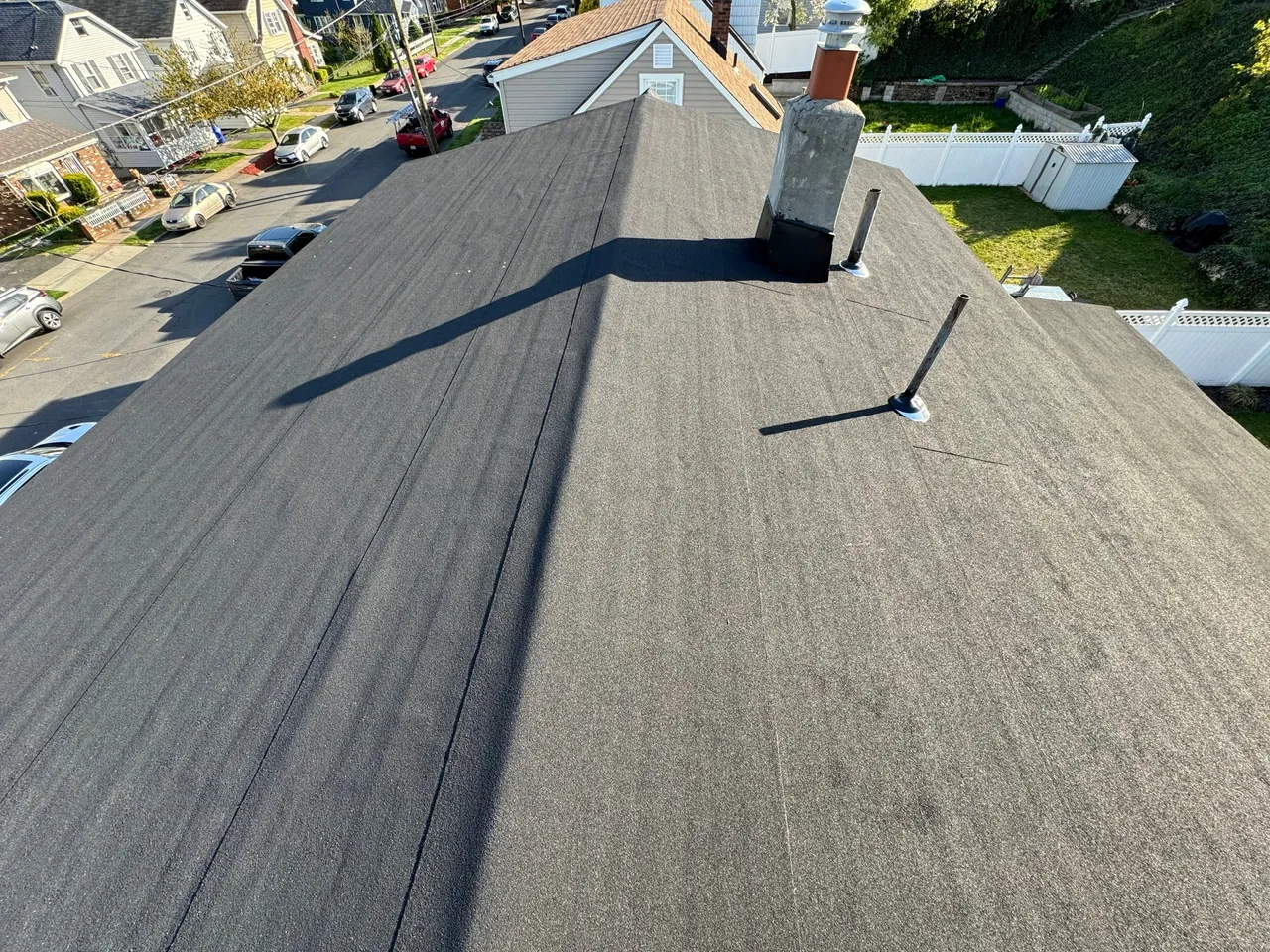
A roof rarely fails all at once. Most of the time, it leaks in quiet, stubborn ways long before a homeowner sees a dramatic ceiling stain or a bucket on the floor. Water gets under shingles, tracks along decking, soaks insulation, and settles into framing cavities where it can sit for weeks. By the time the evidence shows up inside the house, the damage often reaches farther than people expect.
That pattern matters in Morris County, where homes in and around Succasunna deal with a full four-season cycle. Snow loads, freeze-thaw swings, spring rain, summer humidity, and wind-driven storms all test a roofing system differently. A roof can look acceptable from the driveway and still have compromised flashing, softened sheathing, or ventilation problems that trap moisture. When homeowners start asking whether they need repairs or a full Roof Replacement Succasunna, NJ project, the answer usually depends on what is happening beneath the roof surface, not just what is visible from the street.
Water damage starts where most people never look
The exterior shingles get most of the attention, but they are only one layer in the system. Under them, you have underlayment, roof decking, fasteners, flashing transitions, ventilation pathways, insulation, and structural members. Water can enter through one weak point and damage a completely different area before it becomes visible.
I have seen leaks at a chimney appear as stains twelve feet away in a second-floor bedroom. I have seen a single failed boot around a plumbing vent create enough slow moisture over a season to rot roof decking around the opening. In older homes, especially those with multiple additions or roofline changes, tracing a leak can feel like detective work. Water follows gravity, but it also follows framing, nails, and seams.
That is why homeowners should not judge roof condition by one sign alone. A small stain may reflect a localized repair. It may also be the first visible clue of a deeper system problem that has been brewing for years.
The ceiling stain is often the late-stage warning
Most people notice water damage when drywall discolors. Brownish rings, yellow patches, bubbling paint, or a soft spot near a ceiling corner are classic warning signs. They matter, but they are not the beginning of the story. They are evidence that moisture has already made it through the roof assembly and interior finishes.
The shape and location of the stain can offer clues. A circular stain near a vent stack may point to flashing failure around the pipe. Staining along an exterior wall can suggest ice damming, step flashing problems where the roof meets siding, or water entering near the gutter line. Stains that appear after wind-driven rain often signal flashing vulnerabilities, not just old shingles.
One tricky detail is timing. The leak you see during a heavy storm may not mean that storm caused the issue. It may simply be the first rain intense enough to expose an existing weakness.
What the attic tells you before the living space does
If a house has an accessible attic, that space often reveals the truth faster than any room below. Homeowners who rarely go up there are sometimes surprised by what they find. Darkened wood, compressed insulation, rusted nails, mildew odor, or wet spots on sheathing can all point to active or recurring moisture.
When I walk an attic after a complaint about possible roof issues, I pay close attention to the roof deck around penetrations, valleys, and eaves. Fresh leaks can show up as shiny or damp wood. Older leaks often leave black staining, delamination in plywood, or fuzzy mold growth on framing members. You may also see nails with rusty tips, which can mean condensation or chronic moisture exposure.
Attic air quality matters too. A musty smell, especially in warmer months, is often a clue that moisture has lingered long enough to affect wood and insulation. Wet insulation loses performance quickly. Once it compresses or becomes saturated, it no longer does its job well, and the house can become harder to heat and cool.
Shingle problems that often lead to hidden moisture
Not every roof that needs replacement is actively pouring water into the house, but many failing roofs show surface clues that hidden damage may already exist. Asphalt shingles near the end of their service life can crack, curl, lose granules, or become brittle enough to fracture under foot traffic or thermal movement. Those failures reduce the roof’s ability to shed water efficiently.
In Succasunna, winter weather can accelerate the process. Ice can form near colder eaves, especially where ventilation is poor or insulation is uneven. As meltwater backs up behind ice, it can work under shingles and wet the decking below. In spring and summer, repeated storms and UV exposure take a different toll. Flashings expand and contract, sealants dry out, and old shingles become less flexible.
Homeowners should be especially alert if they notice loose or missing shingles after a storm. A few missing tabs may seem minor, but wind can lift surrounding shingles as well, breaking adhesive seals over a broader area. Once those seals fail, the roof becomes more vulnerable to wind-driven rain.
Flashing failures are responsible for more leaks than people realize
Shingles cover broad field areas well. The weak points are usually transitions. Chimneys, skylights, dormers, valleys, wall intersections, plumbing vents, and exhaust penetrations all rely on flashing to move water away from openings. If the flashing was installed poorly, corroded over time, or patched with too much sealant, leaks tend to show up there first.
I have seen plenty of roofs where the shingles still had some life left, but the flashing details were exhausted. A common example is chimney flashing that has been tarred repeatedly. Roofing cement can buy a little time, but it is not a long-term substitute for properly stepped and counterflashed metal. Once those patch layers crack, water gets in again, often worse than before.
Skylights deserve special mention. Older skylight assemblies can leak through failed seals, deteriorated flashing, or condensation issues that homeowners mistake for roof leaks. If a skylight is nearing the same age as the roof, replacing one without addressing the other can be shortsighted.
Signs inside the house that point to roof-related water damage
Some of the most reliable warnings appear inside the home, but they are easy to dismiss at first. People often assume they have a paint problem, a humidity issue, or a one-time drip. The pattern matters more than the isolated event.
Here are five signs worth taking seriously:
- brown or yellow ceiling stains that grow or darken after rain
- peeling paint or bubbling drywall near exterior walls or upper-floor ceilings
- a musty smell in the attic, top-floor closets, or upper hallways
- visible mold growth around ceiling corners, skylights, or attic framing
- sagging drywall or soft spots when lightly pressed
Any one of these can have another cause, including plumbing or interior humidity. Still, when they appear near the roofline or after weather events, the roof should be on the suspect list immediately.
When repairs make sense, and when replacement becomes the smarter call
This is the question most homeowners want answered quickly. Can the damaged area be repaired, or is it time for a full replacement? The honest answer depends on age, extent, and how many interconnected problems exist.
A localized repair often makes sense when the roof is relatively young, the leak source is clearly identified, and the surrounding materials are still sound. For example, a damaged vent boot on a twelve-year-old architectural shingle roof can usually be handled without replacing the whole system. The same goes for a small flashing issue at a wall intersection if the roof otherwise has years of service left.
Replacement enters the picture when the roof is older, usually in the upper teens or twenties for many asphalt systems, though exact lifespan varies. It also becomes the better investment when you have repeated leaks, widespread granule loss, soft decking, multiple patched areas, or evidence that moisture has compromised a broader section of the assembly. If a contractor lifts shingles and finds rotted sheathing in several areas, piecemeal work starts to lose value quickly.
There is also the issue of matching. On an older roof, repaired areas can stand out sharply in color and texture. That is cosmetic, but it also hints at a deeper reality. New components integrated into an aging roof do not make the old sections younger. They simply create a mixed-age system with uneven remaining life.
Decking damage is the turning point
In my experience, once water reaches and weakens the roof decking, the conversation changes. Decking is the structural skin that supports the roofing materials above. If it becomes soft, delaminated, or rotted, you are no longer dealing only with surface wear. You are dealing with substrate failure.
Contractors sometimes discover this only after tear-off begins. A roof may look passable from above, but once shingles come off, sheets of plywood or boards near eaves, valleys, or penetrations show clear deterioration. You can feel it underfoot during inspection sometimes, a slight sponginess, but not always. That is why homeowners should be prepared for the possibility that a replacement estimate includes allowances for replacing damaged decking as needed.
This is not upselling when it is legitimate. Installing new shingles over compromised sheathing is poor practice. The fasteners will not hold correctly, and the roof will never perform as it should.
Ventilation problems can mimic leaks and worsen real ones
Not every moisture issue under a roof starts with rain. Poor attic ventilation can create condensation that wets the underside of the deck and leaves homeowners convinced the roof is leaking. In winter, warm interior air that escapes into the attic can condense on cold sheathing and nails. In summer, trapped heat and humidity can stress shingles from below and contribute to mold growth.
The tricky part is that ventilation and leaks often overlap. A roof with minor infiltration and poor airflow tends to age faster and dry more slowly. Moisture that might have evaporated can linger instead. That is one reason reputable contractors look at intake and exhaust ventilation during a roof replacement assessment, not just the shingles.
A new roof without proper ventilation improvements may still perform better than the old one, but it may not reach its expected lifespan. For homeowners planning a Roof Replacement Succasunna, NJ project, this detail deserves more attention than it usually gets.
Gutters, soffits, and siding can reveal the roof’s story
Water damage under the roof often leaves clues outside the attic and ceilings. Overflowing gutters, streaking on fascia, rotted soffits, peeling trim paint, and siding stains near roof-wall intersections all deserve a closer look. These symptoms do not always point to roof failure alone, but they often signal poor drainage, ice backup, or flashing trouble.
I have walked homes where the main complaint was stained siding, yet the real issue was a kickout flashing missing where a roof plane met a wall. Instead of directing runoff into the gutter, years of water had been pouring behind the siding. The roof shingles were not the primary problem, but the roof-to-wall detail absolutely was.
That is why an experienced inspection should treat the roof as part of a whole exterior water management system. Gutters, downspouts, flashing, soffits, and attic airflow all interact.
What homeowners should do when they spot early damage
The biggest mistake is waiting for certainty. People often hold off because the stain is small, the dripping stopped, or they hope it was a one-time event. Water damage rarely rewards delay. Even a slow leak can rot wood, feed mold, and increase repair costs over one or two seasons.
A practical response looks like this:
- document what you see with dated photos, inside and outside if safely visible
- check the attic during or soon after rain, but only if it is safe and accessible
- schedule a professional roof inspection rather than relying on guesswork
- ask whether the issue appears isolated or system-wide, and why
- if replacement is recommended, request a clear explanation of decking, flashing, and ventilation needs
That last point matters. A useful estimate explains scope, not just price. Homeowners should know Roof Replacement Succasunna, NJ whether they are paying for a cosmetic re-cover, a true tear-off and replacement, targeted flashing updates, or anticipated decking repairs.
Why local conditions matter in Succasunna
Roofing advice that sounds reasonable in one climate can miss the mark in northwestern New Jersey. Succasunna homes see snow accumulation, cold snaps, spring rain, and summer thunderstorms that stress roofs in different ways. Freeze-thaw cycling is especially hard on aging materials and imperfect flashing details. Water gets into a small crack, temperatures drop, expansion occurs, and the opening widens. By the next rain, the vulnerability is larger.
Tree cover is another local factor. Many properties in the area have mature trees that shade roofs and drop branches, twigs, and leaf debris. Shade can preserve shingles from harsh UV to a point, but it also slows drying and encourages moss or algae in damp zones. Debris buildup in valleys and gutters can hold moisture exactly where the roof needs to shed it quickly.
Age of housing stock matters as well. Some homes have had multiple reroofs over the years, each with Roof Replacement Succasunna, NJ different workmanship standards. Layers of patching and older flashing methods can complicate diagnosis. That is one reason a blanket answer rarely works. Two houses on the same street can require very different recommendations.
Choosing the right scope, not just the lowest bid
When water damage is part of the picture, a low price can be expensive. Some bids look attractive because they skip deck replacement allowances, leave questionable flashing in place, or avoid ventilation corrections that the roof really needs. Others may include those items upfront because the contractor has seen enough hidden damage to know what usually turns up.
Homeowners should listen for specifics. Does the contractor explain where water is likely entering? Do they mention chimney flashing, valleys, pipe boots, step flashing, underlayment, and attic airflow? Do they discuss what happens if damaged sheathing is found during tear-off? Those conversations tell you a lot about whether the estimate is grounded in real field experience.
There is a difference between selling a roof and solving a roof problem. Water damage under the roof demands the second approach.
The cost of waiting is rarely limited to the roof
A roof leak does not stay in its lane. Once moisture gets past the roofing layers, it can affect insulation, drywall, trim, electrical fixtures, and framing. In some cases, homeowners end up paying for interior paint and ceiling repair more than once because the exterior source was not addressed the first time. If mold develops in enclosed spaces, remediation costs can add another layer.
Even from a resale standpoint, visible water staining raises red flags fast. Buyers and inspectors tend to assume hidden damage until proven otherwise. A documented repair or replacement completed properly is much easier to defend than an active leak with an uncertain history.
That is why the decision about Roof Replacement Succasunna, NJ should not be framed only around shingle appearance or immediate leak volume. The better question is whether the roof assembly is still protecting the home reliably, including the wood and insulation no one sees every day.
The real goal is a dry, durable system
A roof is not just a surface. It is a water-shedding system tied to ventilation, flashing, drainage, and structure. When signs of water damage show up beneath it, the message is usually that one or more parts of that system have stopped doing their job.
Some homes need a careful repair and a few well-chosen component replacements. Others have crossed the line where replacement is the sounder, more durable path. The only way to know is to look beyond the obvious stain and evaluate the entire assembly, from shingles down to decking and attic conditions.
Homeowners in Succasunna who catch these signs early usually keep more options on the table. They can address localized failures before they become structural repairs, improve ventilation before mold takes hold, and plan replacement work before emergency weather forces rushed decisions. That is the practical advantage of paying attention to what is happening under the roof, not just on top of it.
Royalty Exteriors
151 NJ-10 Suite 103A, Succasunna, NJ 07876, United States
+1 973-333-7234
FAQ About Roof Replacement Succasunna, NJ
What are signs a roof needs replacing?
Widespread shingle deterioration, repeated leaks, or damaged decking can point to a larger problem. A roofer can inspect the roof covering, flashing, and deck to determine whether the damage is localized or whether replacement makes more sense.
How long does it take to reroof a 2000 square foot house?
Royalty Exteriors estimates one to three days for many single-family roof replacements. A house’s floor area does not tell you the actual roof area. Pitch, roof features, weather, and any decking repairs can change the schedule.
How long should a roof last in NJ?
There is no single lifespan for every roof. Material, installation quality, attic ventilation, maintenance, and exposure to storms all affect how long a roof remains serviceable. An inspection can help you assess its condition and plan for replacement.