What to Expect During a Professional Roof Repairs Visit
A roof problem rarely announces itself at a convenient time. It shows up as a brown water stain on a bedroom ceiling after a hard rain, a few shingles in the yard after a windy night, or a musty smell in the attic that was not there last month. By the time most homeowners call for Roof Repairs, they are not looking for theory. They want to know what will happen when the contractor arrives, how long the visit will take, what the crew will need, and whether the problem is likely to be minor or expensive.
A professional roof repair visit is usually more methodical than people expect. Good contractors do not just climb a ladder, smear on sealant, and hand over an invoice. The better ones inspect, test assumptions, document what they see, explain the difference between the visible symptom and the actual cause, and then repair only what makes sense. That process matters because roof leaks are often deceptive. Water can enter at one point and travel several feet before it drips into living space. A cracked pipe boot, a lifted flashing edge, or a popped nail can mimic much larger failures.
If you have never scheduled this kind of service before, it helps to know how the visit tends to unfold and what separates a careful repair call from a rushed one.
The first few minutes on site
Most professional visits begin on the ground, not on the roof. The technician or estimator will often walk the property first, looking at drainage patterns, overhanging tree limbs, roof lines, gutter condition, and any visible signs of sagging or impact damage. This first walkaround tells an experienced roofer quite a bit. On older homes, for example, the pattern of wear on one slope can reveal whether the roof gets prolonged afternoon sun, whether water is overshooting clogged gutters, or whether a low spot is holding moisture longer than it should.
At this stage, expect questions. When did you first notice the issue? Does it leak only during heavy rain, or even in light showers? Is it worse during wind-driven storms? Has any other contractor already tried a repair? If you have photos from the day the leak appeared, or if you marked the ceiling stain with painter's tape to see whether it is growing, that is genuinely useful. It helps narrow the timeline and can keep the crew from chasing old damage that is no longer active.
A professional should also ask whether you have attic access and whether anyone in the household has safety concerns, pets, or access restrictions. These details are ordinary, but they matter. A repair visit runs smoother when the crew knows where they can park, which gate lumbles open, and whether there is delicate landscaping beneath the work area.
Why the inspection usually starts inside
Homeowners are often surprised when a roofing technician asks to see the attic or the room below the leak before climbing outside. That is not wasted time. Interior clues can be more revealing than the roof surface itself.
Inside the attic, a roofer may look for darkened decking, mold growth, rusty nail tips, compressed insulation, or daylight around penetrations. Older leaks leave a different signature than fresh ones. A slow leak may create a broad area of staining and rot. A recent storm breach may show bright wood discoloration and active moisture. Condensation problems can also imitate roof leaks, especially around poorly vented bath fans or under-insulated ductwork. An experienced roofer knows the difference and should tell you if the issue points to ventilation, insulation, or moisture control rather than a failed roofing material.
In finished rooms, the technician may inspect ceiling stains, bubbling paint, warped trim, or damp drywall corners. This is not just for show. The location of interior damage can help map the path of water. I have seen leaks above fireplaces that actually began near a ridge vent, and drips in a hallway that traced back to flashing around a plumbing vent stack. Roof water is opportunistic. It follows framing, nails, and gravity in ways that are not always intuitive.
What happens on the roof itself
Once the interior clues are noted, the technician will move to the roof. On a straightforward single-story asphalt shingle home, this may happen quickly. On a steep roof, a two-story structure, or one with fragile tile or slate, setup takes longer because safety and access matter. A reputable contractor will not rush this part. Harnesses, ladder stabilizers, and roof brackets are not signs that the job is being complicated. They are signs the crew intends to do it properly.
The rooftop inspection is where skill shows. A good technician does not look only at the obvious damaged area. They check the surrounding field of shingles, flashing transitions, penetrations, valleys, ridge caps, chimney edges, skylights, and the condition of sealant points. If shingles are missing, they will usually look for the reason they came loose. Was the adhesive strip never properly sealed? Are the nails too high? Is the decking beneath soft? Was there recent wind uplift, or is the material simply at the end of its service life?
On metal roofs, the visit often focuses on fasteners, seams, penetrations, and thermal movement. On tile roofs, the technician may look for cracked units, slipped tiles, underlayment age, and flashing deterioration. Flat or low-slope systems bring their own set of issues, such as membrane punctures, open laps, standing water, edge failures, or drain problems. The words "roof repair" cover a broad range of systems, so the visit varies by material, but the principle is the same. Diagnose before repairing.
If the issue is storm-related, the roofer may also look for collateral signs such as granule loss in gutters, bruising from hail, bent flashing, or damage to soft metals. A repair call sometimes becomes an insurance documentation conversation, though a responsible contractor should be careful not to promise claim outcomes they cannot control.
Expect photos, measurements, and a lot of looking
Some homeowners feel uneasy when a roof visit seems to involve more inspection than immediate action. In practice, that is a positive sign. Thorough technicians often take multiple photos, not just for the estimate but for their own repair planning. They may measure damaged areas, note roof pitch, count replacement shingles or tiles needed, and check whether matching materials are readily available.
Photos also help the explanation later. It is much easier to understand why a chimney cricket is needed, or why a valley repair cannot be done as a tiny patch, when you can see the worn metal, failed seal lines, or exposed underlayment. Good roofers know that most clients are not trying to become roofing experts. They simply want a clear explanation tied to visible evidence.
If your roof is older, the contractor may also discuss repairability. That does not always mean they are pushing a replacement. Sometimes matching shingles are discontinued. Sometimes the surrounding shingles are so brittle that lifting them to access a flashing area causes them to crack. In that case, the repair itself may be possible, but the cosmetic result may not be perfect. An honest contractor says that up front.
What the repair proposal should sound like
After the inspection, the technician should be able to explain what they found in plain language. You should understand the likely source of the problem, what needs to be repaired, whether the work is temporary or permanent, and what risks remain if you delay it.
A reliable explanation usually covers three things. First, the visible symptom, such as water staining near a dormer. Second, the actual failure point, such as step flashing that has loosened behind the siding. Third, the repair scope, such as removing shingles in that section, replacing flashing, installing underlayment as needed, and resealing tie-ins. If the contractor talks only in vague terms like "we'll patch that up" without showing where or why, press for more detail.
Price discussions vary depending on the problem. A simple vent boot replacement might be a relatively modest service call. A leak involving chimney flashing, rotted decking, and interior moisture spread is a different matter. Roof Repairs are priced not just by material but by access, roof height, pitch, complexity, and how much of the surrounding roof has to be disturbed to make the repair last.
It is also normal to hear the phrase "we will not know the full extent until we open it up" in some situations. That is not automatically a red flag. Hidden deck rot and moisture damage cannot always be confirmed from the surface. The important thing is whether the contractor explains the possible range and how change orders would be handled if additional damage is discovered.
The work itself, from setup to cleanup
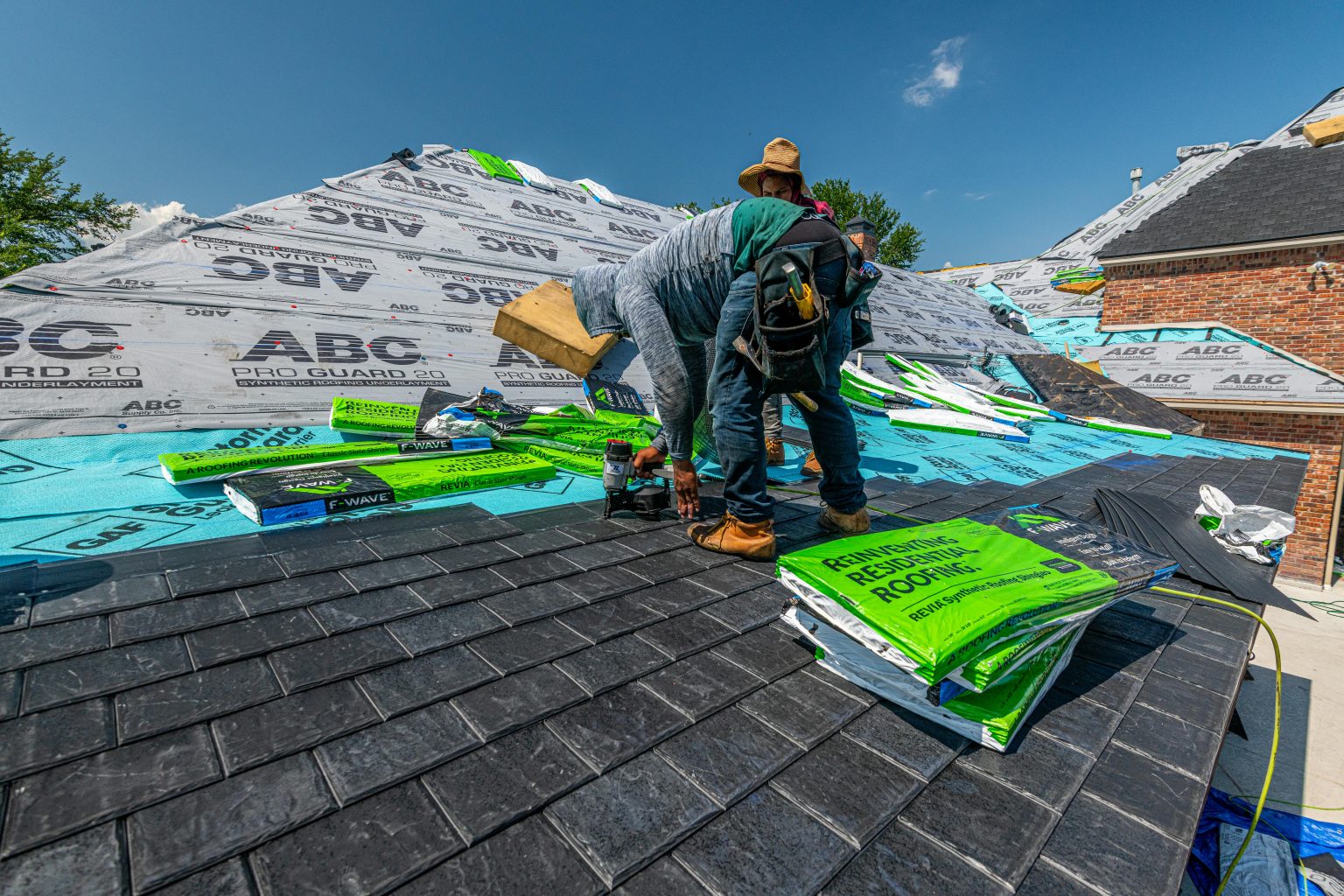
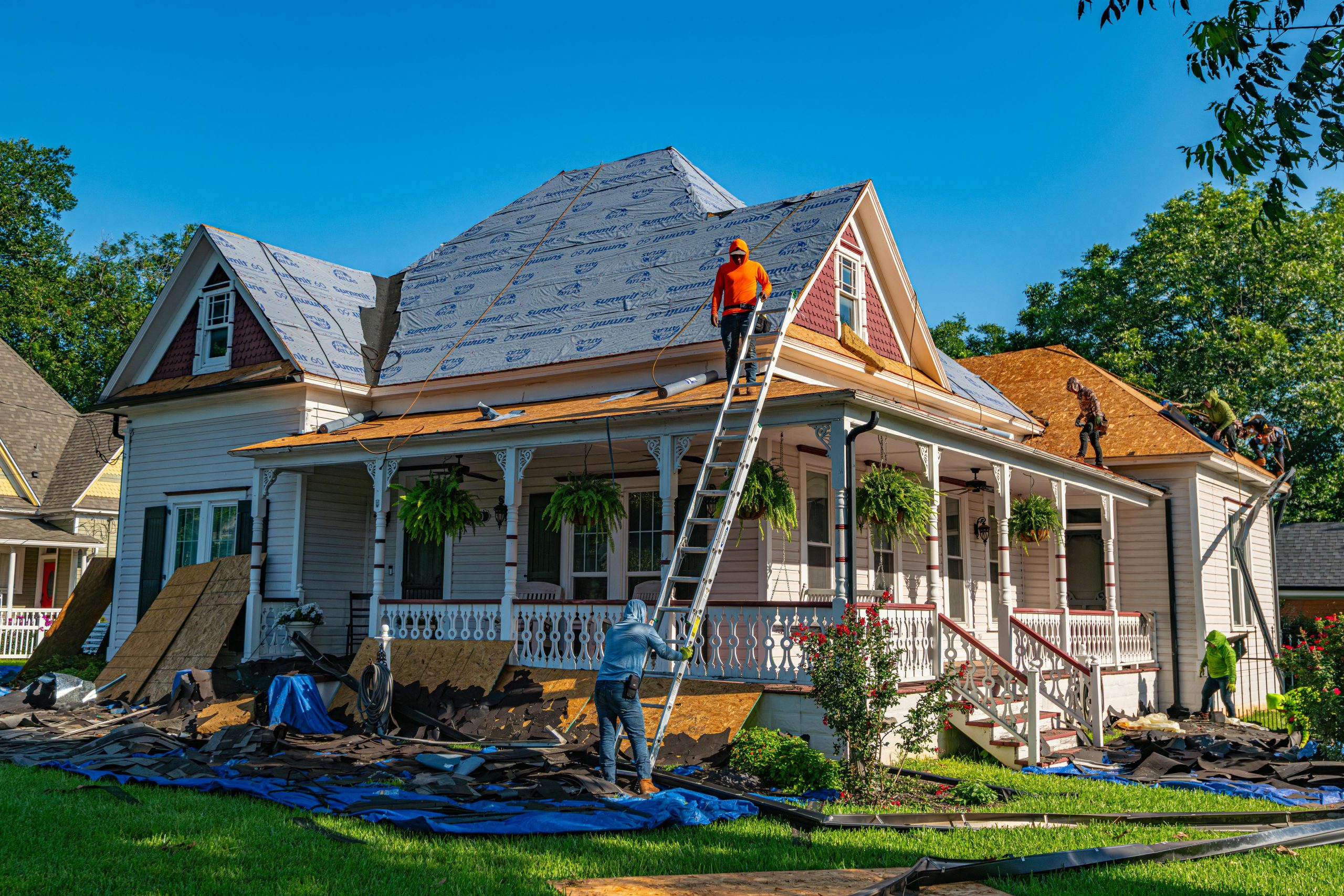
If the crew proceeds with the repair that day, the actual work often feels less dramatic than homeowners expect. There may be some scraping, prying, hammering, cutting, and material staging, but most repair visits are controlled and localized. Crews typically protect landscaping as best they can, keep foot traffic concentrated, and organize removed materials rather than tossing debris around the property.
On asphalt shingle repairs, a common sequence involves lifting surrounding shingles carefully, removing nails, replacing damaged components, installing new flashing or underlayment if needed, and weaving replacement shingles back into the existing roof. This part requires patience. Done well, the repair blends reasonably with the roof and addresses the water entry path. Done badly, it becomes a patch that simply moves the leak six feet to the left.
Chimney and wall flashing repairs are often more involved. Siding or counterflashing may need to be loosened. Mortar joints may be cut for reglet flashing in masonry applications. Sealants may be used, but they should not be the whole strategy unless it is a very limited corrective measure. Caulk has its place, but no experienced roofer treats it as a substitute for proper metal detailing.
On low-slope roofs, the crew may clean and prime the area, heat-weld seams, apply compatible patch material, reinforce penetrations, or correct drainage obstructions. These systems are less forgiving about product compatibility. This is one area where a do-it-yourself patch often causes trouble later, especially if a previous owner used roofing cement on a membrane that requires a different repair method.
Cleanup matters more than people think. Nails in the driveway, granules in flower beds, and scraps left by a condenser unit are the kind of details clients remember. A professional visit should end with a reasonably clean site, not a second problem to solve.
When the crew might recommend waiting
Not every roof Roof Repairs issue can be repaired immediately, and weather is often the reason. High winds, lightning risk, steady rain, frost, and extreme heat can all affect safety and repair quality. Adhesive strips on shingles seal differently depending on temperature. Certain sealants and membranes require dry surfaces and specific weather windows. If a contractor postpones because conditions are poor, that is usually judgment, not inconvenience.
In urgent situations, they may offer a temporary measure. Tarping, emergency seal protection, or a limited water diversion step can buy time until conditions allow a permanent fix. Temporary Roof Repairs does not mean useless. A well-secured emergency covering can prevent thousands of dollars in added interior damage. What matters is whether the contractor is honest that it is temporary and clear about the next step.
Questions worth asking before the crew leaves
A roof repair visit goes better when the homeowner understands not just what was done, but what to watch next. You do not need a long interrogation. A few focused questions can save confusion later.
- Was the repair aimed at the most likely source, or was there more than one possible entry point?
- Were any soft spots, deck issues, or ventilation concerns found that need separate attention?
- Should I expect any cosmetic mismatch in shingles or flashing color?
- What should I monitor during the next rain?
- Is there a workmanship warranty on this repair, and what does it cover?
Those answers tell you a lot about the company. Clear, direct responses usually signal confidence and experience. Evasive answers often signal a contractor who is hoping the problem does not reappear before the invoice is paid.
Common surprises during a roof repair visit
One of the most common surprises is that the leak is not where the stain is. Another is that what looked like a major roof failure is sometimes a small but important component, such as a failed pipe collar or an exposed fastener. The reverse happens too. A "small leak" can uncover rotted sheathing, damaged fascia, soaked insulation, or recurring moisture from years of neglected flashing failure.
Another surprise is material matching. New shingles can be close in color but not identical, even when the brand and nominal color seem the same. Sun exposure changes the look of a roof over time. A reputable roofer should mention this before starting. Most homeowners accept a slight visual difference when the trade-off is a watertight repair, but nobody likes being surprised by it.
Noise is another point people underestimate. Even modest repairs can sound loud inside the house. Hammering and foot traffic on the roof often seem amplified in upper rooms. If someone works from home, has small children napping, or has pets that react to noise, it helps to plan around that.
How long the visit usually takes
There is no honest one-size-fits-all answer, but many routine roof repair visits fall somewhere between one and four hours on site, assuming the issue is straightforward and materials are available. More complex repairs can stretch longer or require a return visit. Steep access, specialty materials, hidden damage, and weather delays all affect timing.
A small repair on a newer shingle roof might be diagnosed and completed in a single trip. A repair involving custom flashing, tile sourcing, or extensive substrate damage may require separate inspection, proposal, material ordering, and scheduled work. The key is not speed by itself. The key is whether the contractor is efficient without being careless.
I have seen homeowners assume that a quick fix means a better contractor, when in fact the fastest crews are sometimes the ones doing the least diagnosis. Roof leaks reward patience. A thoughtful thirty-minute inspection can be the difference between a one-time repair and a string of return visits.
Signs you are dealing with a true professional
Professionalism in Roof Repairs is less about polished sales language and more about habits. Good contractors arrive with appropriate safety equipment, inspect beyond the obvious symptom, explain what they see, document the condition, and set realistic expectations. They do not promise that every leak is simple. They do not turn every minor repair into an urgent full replacement. They know when to say, "this can be repaired," and when to say, "repairing this would only delay a larger problem."
You can usually spot experience in the details. A seasoned roofer notices the rust pattern around old flashing nails. They can tell the difference between storm loss and installation error. They know that a leak by a chimney may involve masonry, flashing geometry, and roof slope all at once. They understand that the homeowner is not just buying labor, but confidence that the next rainstorm will not bring the same anxiety back.
After the visit, what you should keep an eye on
Once the repair is complete, your job is mostly observation. During the next substantial rain, check the previous leak area and, if practical, glance into the attic. You are not trying to audit the contractor. You are simply confirming performance. If the area remains dry, that is a good sign. If staining continues to spread or a damp smell returns, report it promptly. Timing matters because it helps separate old moisture drying out from active intrusion.
Keep any photos, invoice notes, and warranty details. If the repaired area becomes relevant during a future home sale or a larger reroofing project, that record helps. It also gives the next contractor context if another issue develops years later nearby.
One final point is worth remembering. A roof repair visit is not just about stopping one leak. It is also an opportunity to learn the condition of your roof as a system. Sometimes the best outcome is not dramatic at all. It is a straightforward explanation, a competent repair, a clean work area, and the quiet relief of making it through the next heavy rain without reaching for a bucket. That is what a professional visit is supposed to deliver.
Royalty Exteriors
151 NJ-10 Suite 103A
Succasunna, NJ 07876, United States
+1 973-333-7234
FAQ About Roof Repairs
Can you fix a roof leak without replacing the whole roof in Succasunna,NJ?
Often, a localized leak can be repaired without replacing the entire roof, depending on its cause and the condition of the surrounding materials. Damaged shingles, flashing, or a roof penetration may need targeted work. Royalty Exteriors offers roof repairs for leaks, storm damage, and shingle issues. An inspection is needed to determine the appropriate scope.
What is considered a minor roof leak?
A leak may be considered minor when the damage is limited to a small area and the surrounding roofing remains sound. A small ceiling stain alone does not establish the extent of the problem because water can travel before becoming visible. Have the source and any concealed damage assessed promptly.
Is it better to repair or replace a leaky roof?
The decision depends on the roof's age, overall condition, leak source, extent of damage, and history of previous repairs. A localized problem on an otherwise serviceable roof may be suitable for repair. Widespread deterioration or recurring leaks may justify considering replacement. Ask for an inspection and a written explanation of the recommended work before deciding.